
Five began last fall.
Just two have not yet rotted.
More rocks are ready.
– Gray button (upper left corner) reveals widgets, –
– above post (on phone) or beside it (on desktop). –
– above post (on phone) or beside it (on desktop). –
Five began last fall.
Just two have not yet rotted.
More rocks are ready.
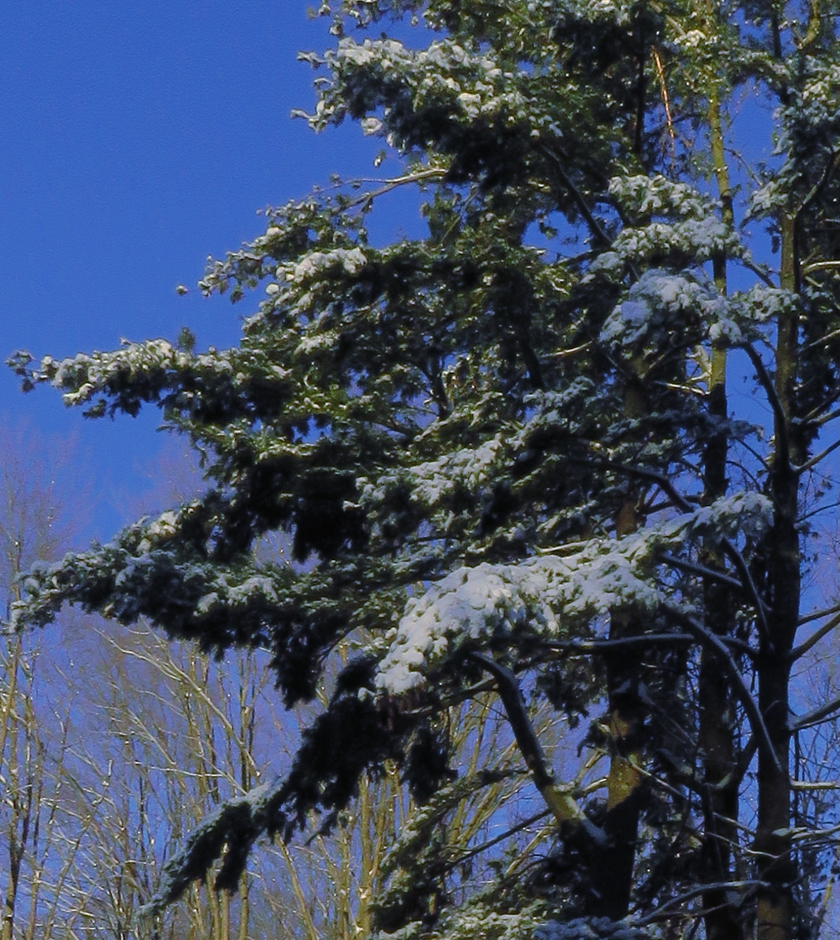
Cloudless Monday #1
|Cold morning.
|Sunday’s fallen snow
|garbs the pine.

Cloudless Monday #2
|Before long,
|snow warmed by sun will
|fall again.
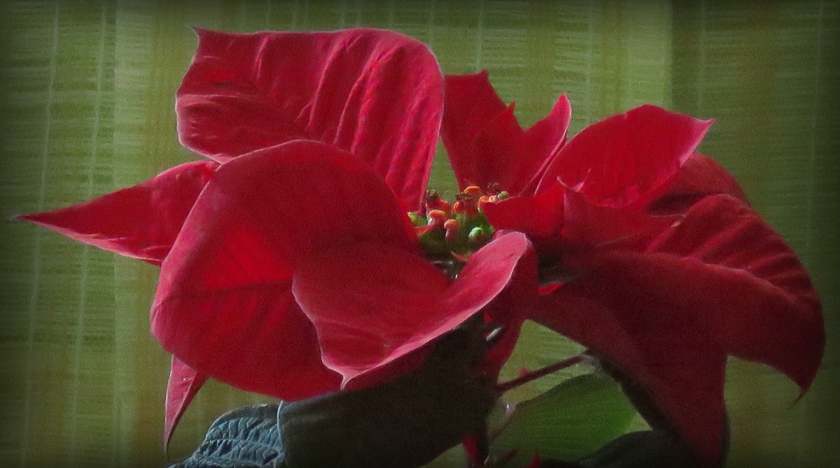
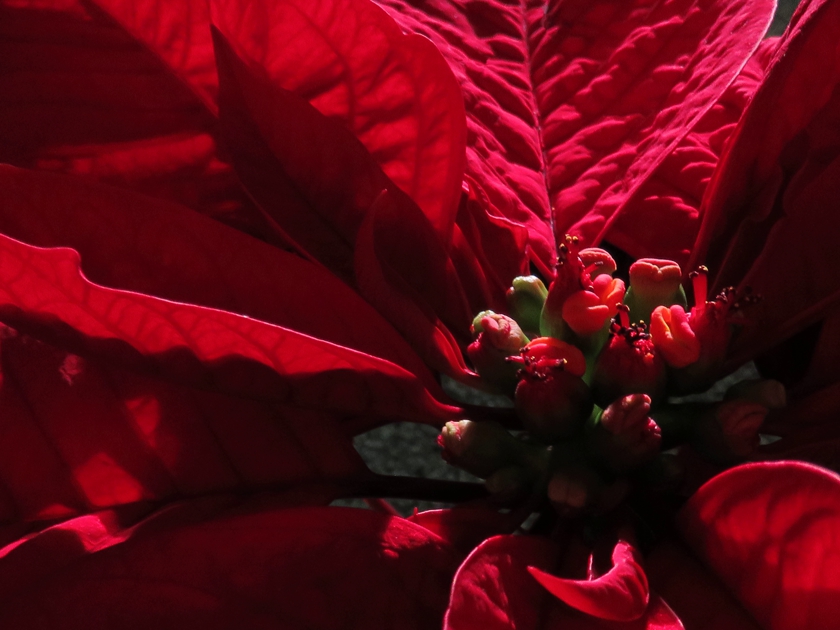
“Bracts” say botanists.
“Those red things are not petals.”
I just call them leaves.
Buy again next fall?
No, it’s good year after year,
until mice find it.
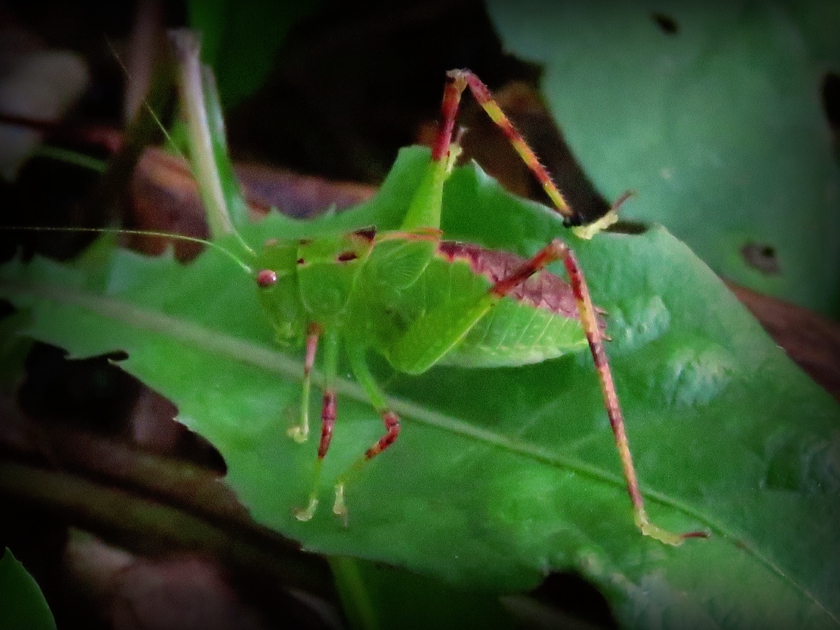
First few cold days ask
“Who can overwinter?”
Katydids cannot.
When I wrote the original version of my haiku, I was aware that some insects can overwinter as adults, even where winters are harsher than in the Mexican mountains favored by monarch butterflies. Bark beetles are a dreaded example. Seeing a lethargic insect shaped like familiar crickets (but bigger and more colorful), I wrote a haiku voicing the unlikely hope that the insect (later nicknamed “Kermit” after the famous green frog) might be able to overwinter:
Last few mild days ask
“Ready to overwinter?”
Cricket moves slowly.
A helpful comment by Sue Ranscht on my post with that haiku prompted me to dig a little deeper. Kermit was a young male katydid. Winters where I live are mild enough for his mother’s eggs but still too harsh for him. Kermit ran out of time before maturing. That makes the middle line of my original haiku more like a taunt than a sincere question, so I revised the haiku to be an elegy for Kermit the katydid.
Last few mild days ask
“Ready to overwinter?”
Cricket moves slowly.
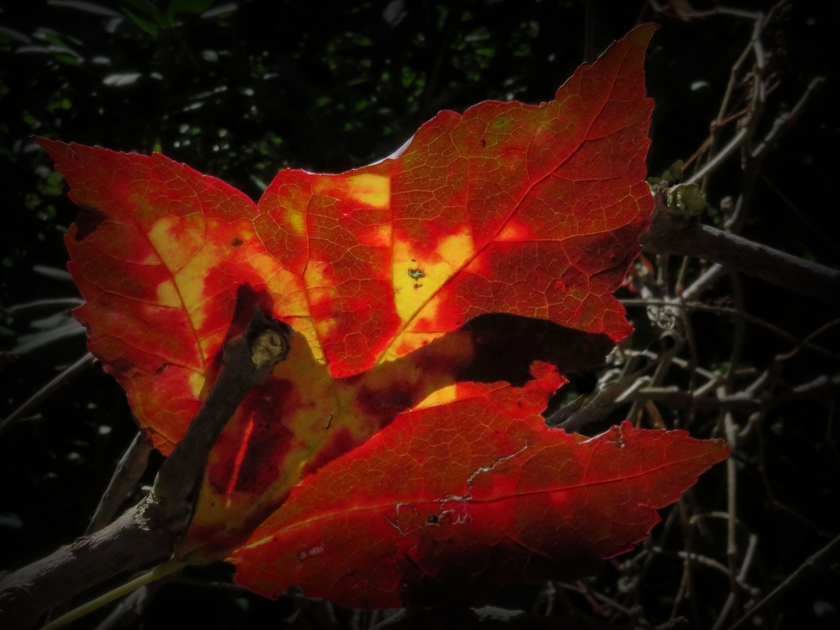


Ignoring hints
from tulip tree and maple,
elm stays green, for now.
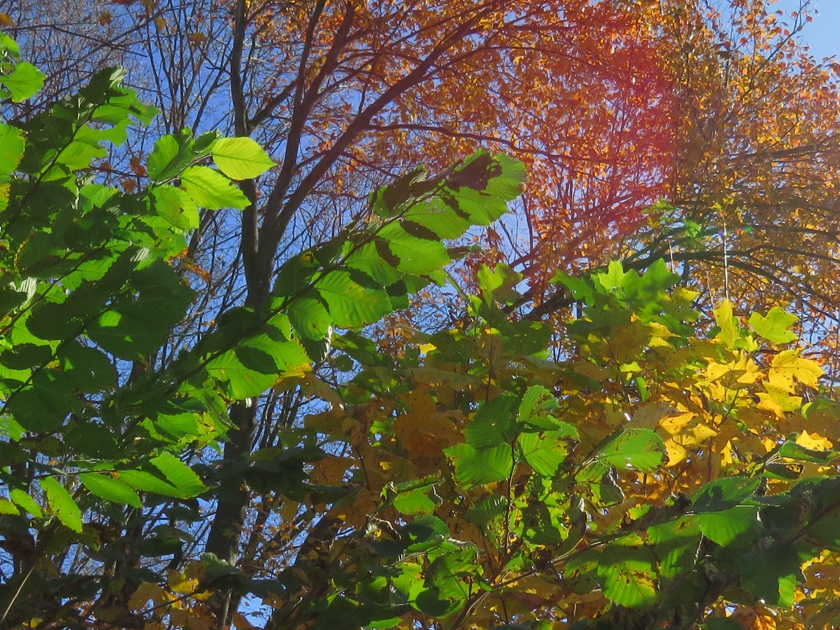
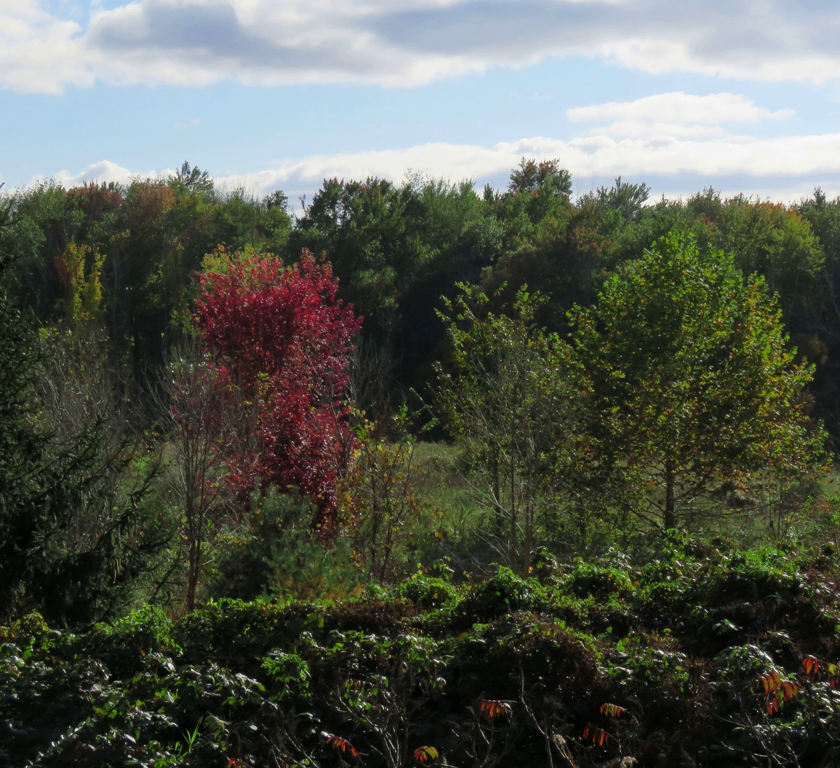
Two kinds of maple are common where I live. Sometimes called “swamp maple” because it can thrive in swampy areas, red maple can also thrive atop rocky hills and in the intermediate conditions of landscaped yards. Sugar maples are the other (and more finicky) kind.
The wide range of suitable habitats may partly explain the wide range of turning times for red maples. While they turn early in swampy areas, some of them in other areas turn as late as oaks. Those that turn at a middling time don’t seem to mind being upstaged by the best of the sugar maples:
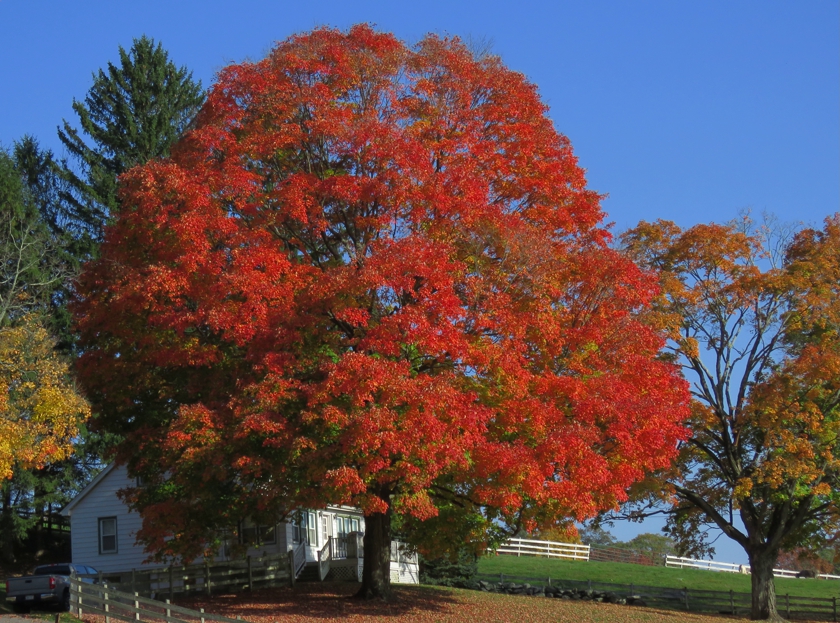


Autumn is a season when images accumulate faster than I can write appropriate poetry, so I will sometimes post an unsung image.
Sundown where I am
is sunup to someone else,
a world’s width away.

Photo © Patrick JenningsSundown ~ Pic and a Word Challenge #351


Her crayon goes from Sun to Earth,
thru a window and some glassware,
and then a little farther still.
She scribbles nonsense on a wall.
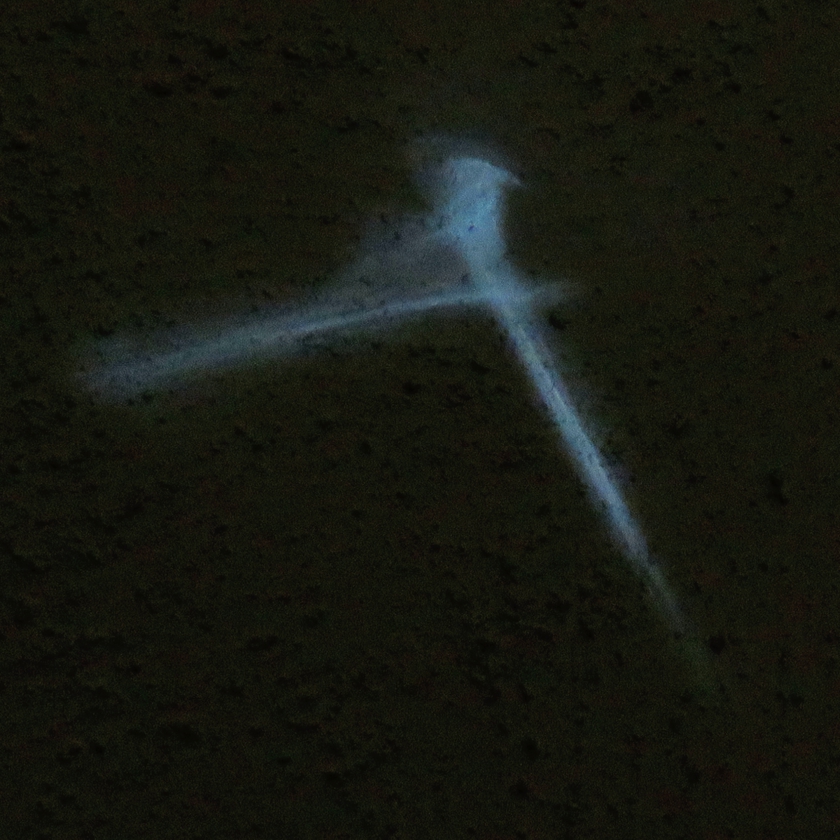
Yes, using the category [ekphrastic poetry] would be more accurate than using the category [haiga]. The word [ekphrastic] is way too dysphonious for describing any kind of poetry I might like, so I pretend that the poem is a haiku. Close enough?

Ah, such a cheery yellow graces the month of September. Alas, ragweed flowers out of sight at the same time, giving goldenrod a bad rep among some people with hay fever. While ragweed sheds pollen to the whims of the wind, goldenrod holds pollen that will be picked up and transported by insect pollinators. You’re not likely to inhale any goldenrod pollen unless a bee crawls up your nose.

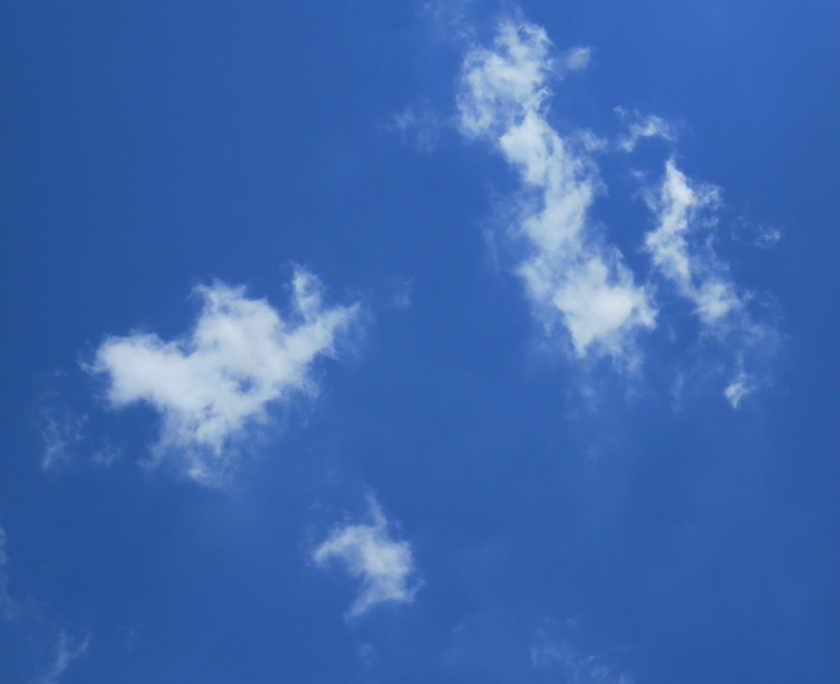
Riding the wind and
calm about impermanence,
clouds form and vanish.
Calm ~ Pic and a Word Challenge #348
 Mellow Curmudgeon